Best Time for a Luxury Safari: A Seasonal Guide
When to go on a luxury safari, region by region: dry seasons, the Great Migration, and how to time a private journey to the wildlife you want.

The best time for a luxury safari depends on where you go and what you want to see. Africa has no single perfect season, but each region has moments when it shines.
Quick facts
Dry season: Generally the easiest for wildlife, around May to October in much of the region.
Migration: Timing varies by year and area.
Green season: Lush, quieter and good for birds and young animals.
Book: Peak dates fill about a year ahead.
When Is the Best Time for a Safari in Africa?
For most of Southern and East Africa, the dry months, roughly June to October, are best for wildlife. Vegetation thins, animals gather near water and sightings are easier. Green-season months offer lush landscapes, fewer visitors and excellent birding.
The right choice depends on your interests, and a specialist can match the season to your priorities.
When Should You See the Great Migration?
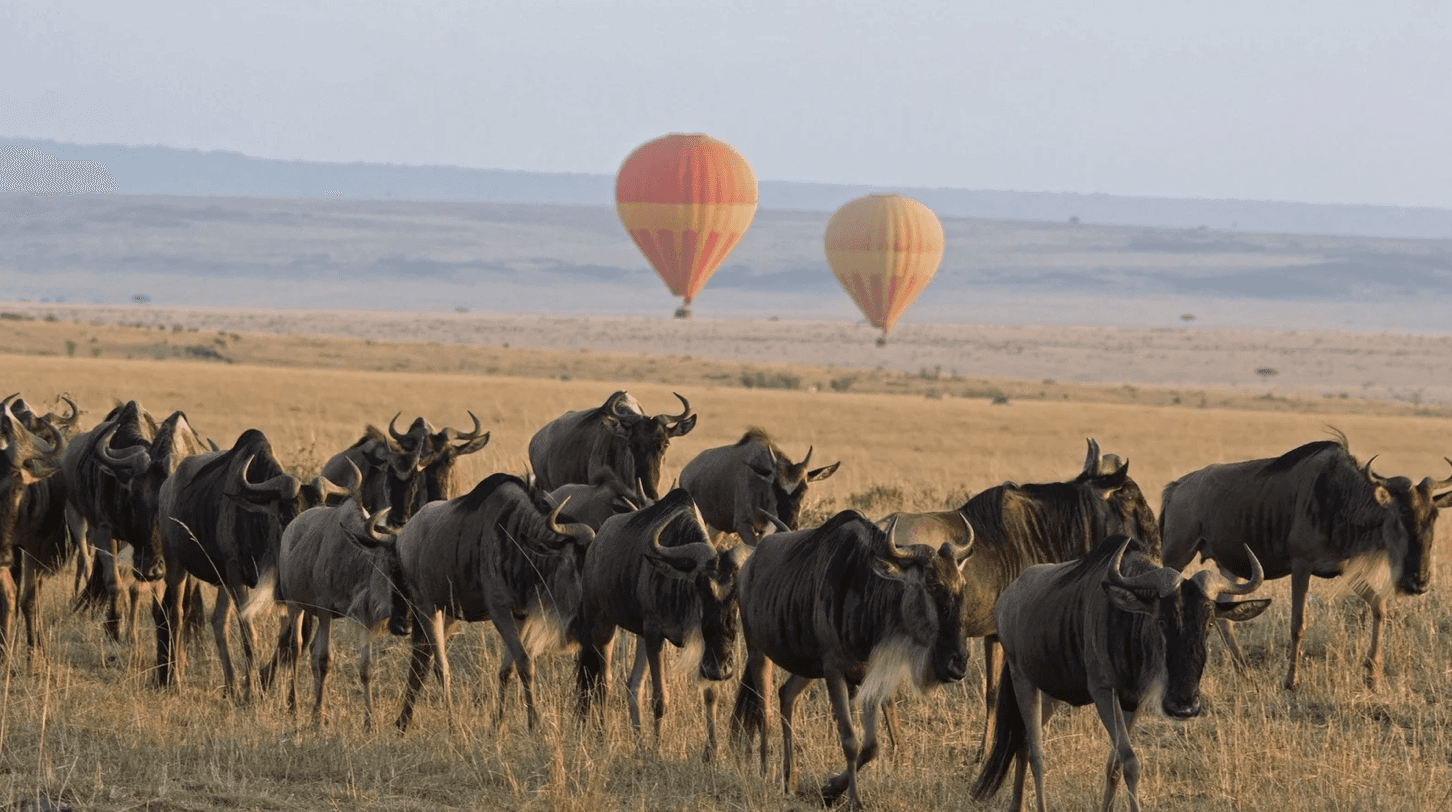
The Great Migration moves through the Serengeti and Maasai Mara across the year. River crossings are often best in the middle of the year, while calving takes place earlier on the southern plains. Herds are unpredictable, so we time camps to where they are.
Mobile camps help us follow the movement, and we are honest that no sighting is guaranteed.
When Is the Best Time for Botswana and South Africa?
In Botswana's Okavango Delta, floodwaters peak in the dry season, making roughly June to October excellent. In South Africa's private reserves, the cooler dry months are popular for game viewing, though wildlife is rewarding year round.
See our guides to the Okavango Delta and our luxury safaris for more.
When Should You Combine Africa With Antarctica?
The Antarctic season runs roughly November to February. We then choose African destinations that perform at their best in those months, so each part of the journey peaks.
Learn more in our guide to combining Africa and Antarctica.
Why does season matter on safari?
Weather shapes where animals gather and how easy they are to find. In the dry season water becomes scarce, and wildlife congregates near rivers and waterholes. In the green season, rains fill the landscape, animals disperse and young are born.
What is the best time for East Africa?
The main dry months in Kenya and Tanzania run roughly June to October, with a shorter dry window around January and February. The migration moves through the Serengeti and Mara across the year. See The Great Migration and Safari in July.
What is the best time for southern Africa?
The dry winter months, around May to October, are strong for Botswana, Zambia, Zimbabwe and South Africa's reserves. See Botswana vs Zambia vs Zimbabwe and Kruger and Sabi Sand.
What about Namibia?
Namibia's dry months suit Etosha's waterholes, and cooler months make desert travel comfortable. See Etosha and Namibia's Dunes and Desert Elephants.
What about gorillas?
Trekking runs year-round, with drier months easier underfoot. See Rwanda vs Uganda.
Is the green season worth it?
Absolutely for many travellers. See Africa in the Green Season.
What about the festive season?
It is popular and requires early booking. See Christmas and New Year on Safari.
How does season affect price?
See What Shapes the Cost.
How should you decide?
Start with what you most want to see, then check the best months for it. Talk to a specialist to line up camps, seasons and flights.
How do you balance season, price and crowds?
Peak dry-season months offer reliable sightings but busier camps and higher rates. Shoulder months, such as the transitions into and out of the dry season, often balance good wildlife viewing with quieter surroundings. The green season rewards flexible travellers with lush landscapes, dramatic skies and fewer vehicles. The right choice depends on your priorities, so tell your specialist what matters most.
Does climate change affect timing?
Rainfall patterns can shift from year to year, which is why we plan with flexibility and local knowledge. A good itinerary builds in a buffer and does not rely on a single event. For migration or flood timing, we monitor conditions as your dates approach and advise accordingly.
Frequently Asked Questions
What is the best month for a luxury safari?
Many guests favour the dry months of roughly June to October, when wildlife gathers at water and vegetation is thinner. The right month still depends on the region and the wildlife you want to see, such as calving season in the Serengeti early in the year. We match your dates and priorities to the best destination.
Is the green season worth it?
Yes, for lush scenery, newborn animals, fewer visitors and excellent birdlife, often at lower rates. Sightings can be harder in thick vegetation, and some roads or camps close in the heaviest rains. Chosen well, it can be one of the most rewarding times to travel.
How far ahead should I plan?
For peak season and exclusive-use camps, a year ahead is ideal, because the best small camps and flights fill first. For other times of year, six months usually gives you good choice. Start the conversation as soon as you have rough dates.
Can I go on safari with children at any time?
Yes. We choose camps and seasons that suit your children's ages and interests, including malaria-free reserves for younger children. School holidays coincide with busy periods in some regions, so earlier booking helps. Many camps offer family rooms and children's activities.
Do you guarantee sightings?
No. Wildlife is wild, and no honest operator can guarantee a sighting. What we do is choose the right place, season and guides to give you the best possible chances. Longer stays and private vehicles also improve your odds.
Ready to begin? Plan your journey with a private specialist, in confidence.
What is the best month for safari?
It depends on the region. July to October is strong across much of East and Southern Africa, while January to March is excellent for the Serengeti calving season and Southern Africa's green season. Tell us what you want to see and we will recommend the best month and destination.
Is the rainy season bad for safari?
Not at all. The rainy, or green, season brings dramatic skies, newborn animals, migratory birds and fewer vehicles, often at lower rates. Rain often falls in short afternoon storms rather than all day. We avoid areas where the heaviest rains make travel difficult.
When is the migration?
Timing varies with the rains each year. Broadly, the herds calve in the southern Serengeti from about January to March, move through the central and western Serengeti, and reach the Maasai Mara from about July to October. We advise on the best window for your dates.
Is it hot on safari?
It depends on the season and region. In Southern Africa's winter, from about May to August, days are pleasantly warm but early mornings and nights can be cold, while October and November can be very hot. Pack layers; camps provide blankets and warm drinks for chilly morning drives.
When do camps sell out?
Peak months, roughly July to October, often fill a year ahead at the most sought-after small camps. School holidays and the festive season also sell out early. If your dates are fixed, contact us as soon as possible so we can hold your preferred camps.
← PREVIOUS
YOUR NEXT JOURNEY
Where will Africa take you next?
Where will Africa take you next?
Every route is private and tailored to you. Choose one to explore, or let us design yours from scratch.


